POS Business in Nigeria (2026): Startup Cost, Charges and Risks
What it really costs to start a POS agent business in 2026: terminal, cash float, rent and security, what customers pay per withdrawal, and how to stay safe.

By Tomiwa Oluwajehinsan · 3 min read
Key points
- Startup cost: about ₦150,000 to ₦500,000, and most of it is your cash float, not the machine
- You earn a small fee on each withdrawal, transfer and bill payment, so location and volume matter most
- Biggest risks: robbery, fraud and running out of cash
- First step: find a busy spot near a market, bus stop or estate gate with few POS agents around
On this page
The idea in one line: you act as a mini-bank for your area. People withdraw cash, deposit, transfer and pay bills through your POS terminal, and you earn a small fee each time.
Many Nigerians live or work far from a bank or a working ATM. A reliable POS agent close by saves them time and transport, and they gladly pay a small charge for it.
How the business works
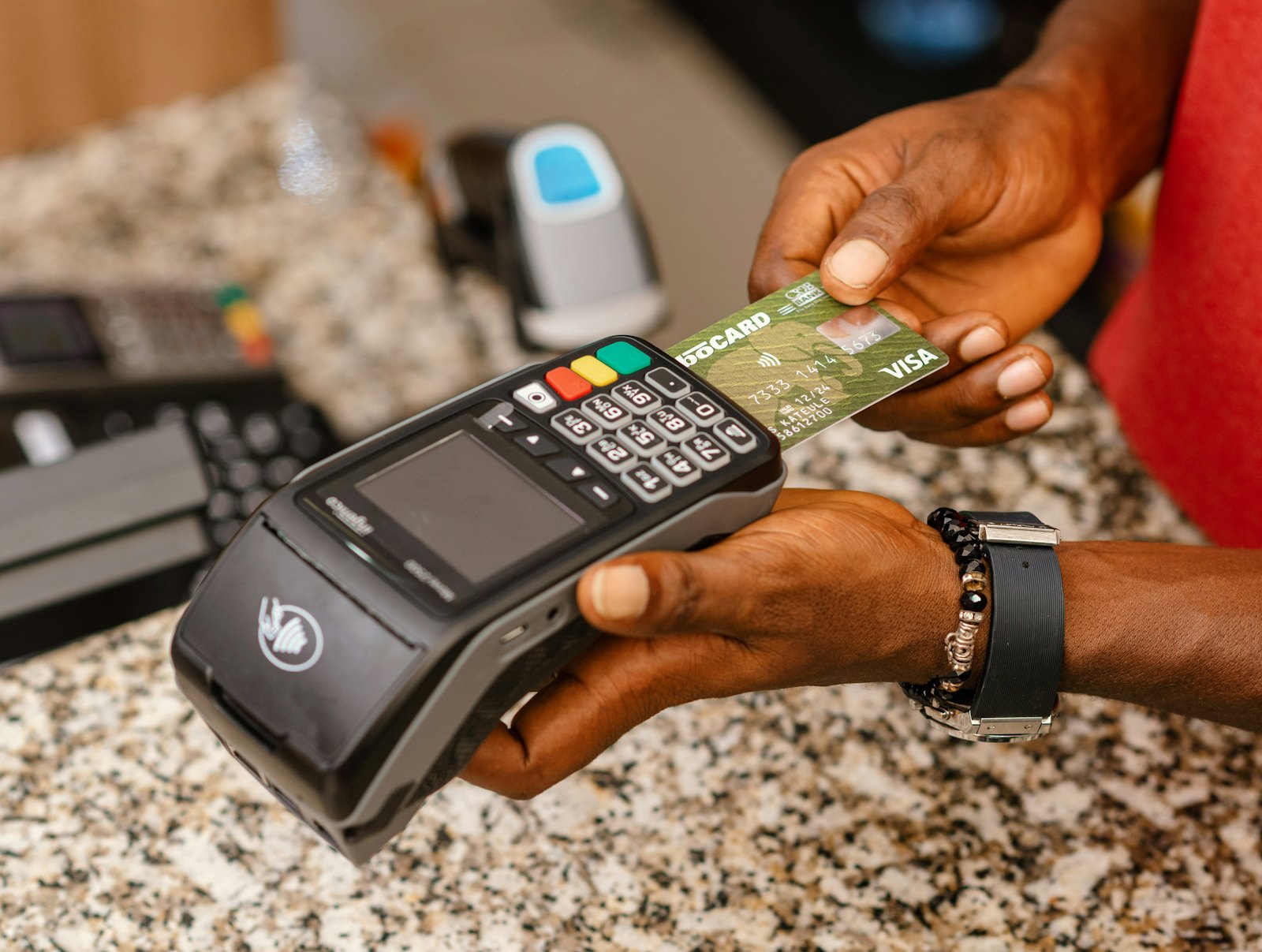
You register as an agent with a provider such as Moniepoint, OPay or PalmPay, or with a bank. They give you a terminal. When a customer withdraws ₦10,000, for example, they pay into your account by card or transfer, you hand them cash from your float, and you charge a service fee. You also earn a small commission from the provider on many transactions.
What you need to start
| Item | Rough cost (2026) | Notes |
|---|---|---|
| POS terminal | ₦40,000–₦150,000 | Some providers give terminals for a small refundable caution fee if you meet transaction targets |
| Cash float | ₦50,000–₦200,000+ | Busy spots may need ₦300,000–₦500,000 |
| Space or shop rent | ₦30,000–₦150,000 a year | Varies a lot by city |
| Signage | ₦5,000–₦20,000 | |
| Security (safe, padlock, maybe a camera) | ₦10,000–₦50,000 | |
| Total | ₦150,000–₦500,000 | Excluding high-end shop rent |
About terminal fees: Moniepoint has listed a refundable caution fee plus logistics and insurance fees for its terminals, around ₦21,500–₦23,000 in its 2025 guide. Providers also set weekly transaction targets, and terminals that don’t meet them can be taken back. Ask your provider for its current fees and targets before you sign up.
What customers typically pay
Based on 2026 figures:
- Withdrawals: about ₦50–₦100 per ₦10,000, or a flat ₦20–₦50 for small amounts
- Deposits: about ₦20–₦50 per ₦10,000
- Transfers: about ₦50–₦100 each
- Bill payments: about ₦10–₦50 each
Charges differ by area. Check what agents near you charge and stay close to it.
How to start, step by step
- Pick your location first. Look for heavy foot traffic, like a market, motor park, school or estate gate, with few agents nearby and good network coverage.
- Choose a provider. Compare terminal fees, transaction targets, settlement speed and customer support. Ask other agents which provider fails least.
- Register. Follow your provider’s sign-up steps and document list (they typically ask for identity details like your BVN and a valid ID). Registering a business name with CAC (₦20,000) is optional but makes you look established.
- Prepare your float. Without enough cash you’ll turn customers away, and they’ll go elsewhere next time.
- Set up safely. Keep only what you need in the open and the rest in a safe. Don’t count big money in public.
- Track every day. Write down your opening float, transactions and closing balance. It’s how you spot mistakes and fraud early.
Monthly running costs
Expect costs like data (₦5,000–₦10,000), security and rent. One 2026 example put monthly operating costs at about ₦23,000 for a small agent.
Risks and how to reduce them
- Robbery: choose a safe, well-lit spot, close before it gets too late, and don’t keep large cash on display.
- Fraud and fake alerts: never give cash until the transaction shows as successful on your terminal or app, not the customer’s screen.
- Running out of cash: know where to restock quickly, like a bank or a bigger agent nearby.
- Network and terminal failures: keep a backup data line and your provider’s support number handy.
Is this for you?
It’s a good fit if you can be at one spot for long hours, handle cash carefully and stay calm with customers. It’s not a “set and forget” business: you have to be present.
Prices and charges checked November 2026. Fees and rules change, so confirm with your provider. This is general information, not financial advice.
Sources
Was this helpful?
Thank you! Know someone who needs this? Send it to them.
Share on WhatsAppSorry it missed the mark. Tell me what was missing and I'll improve it.
Still have a question about this?
Send it on WhatsApp. I read every message, and good questions become new posts.
This post is for general information, not financial, legal or medical advice. Spotted a mistake? Tell us on WhatsApp and we'll correct it.
Free
Get new posts first
New business ideas, guides and open opportunities, straight to your WhatsApp when they're published. No spam.